Safer Facilities. Protected Spaces. Smarter Work Areas.
Industrial Safety Nets for
Factories, Plants & Warehouses
Get customised industrial safety nets for factories, plants, warehouses and elevated work areas. VSafe Projects provides site-assessed coverage with professional measurement and installation for industrial environments.
INDUSTRIAL WORKSPACE PROTECTION
Purpose-Built Netting for Industrial Environments
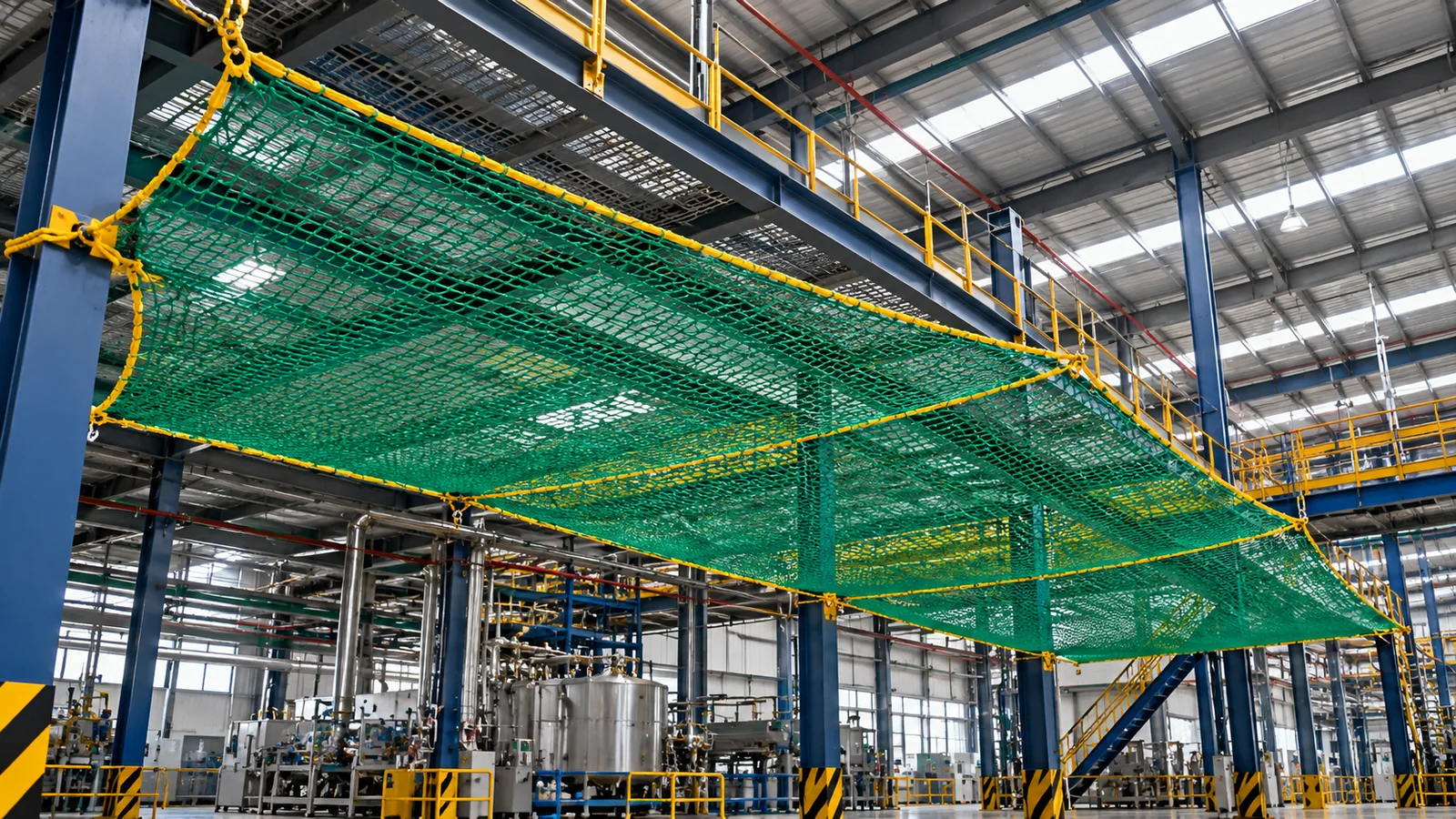
Industrial Safety Nets provide an additional protective barrier for suitable factory, warehouse, plant and industrial work areas. They can help manage selected open, elevated or exposed sections within a facility.
Industrial environments may include machinery areas, platforms, storage zones, openings and elevated work sections. Suitable netting can be planned around these areas according to the facility layout and intended application.
VSafe Projects assesses the installation area, available fixing points, access conditions and required coverage before planning the netting. Each solution is measured and professionally fitted around the specific industrial environment.
INDUSTRIAL PROTECTION BENEFITS
Create Safer Separation Across Busy Facility Areas
Factories and industrial facilities often contain elevated platforms, open sections, machinery zones and busy working areas. Suitable safety netting can provide an additional physical barrier around selected locations.
A properly planned net can support better separation between work areas and surrounding spaces while helping maintain organised movement within the facility. It should complement existing industrial safety procedures and controls.
VSafe Projects develops solutions around the actual facility instead of relying on standard dimensions. Site measurements, structural conditions, access requirements and fixing locations are considered before installation.
- ✓ Helps cover suitable exposed sections
- ✓ Supports separation around selected work zones
- ✓ Planned around facility dimensions
- ✓ Professionally measured and installed
FROM SURVEY TO INSTALLATION
A Structured Process for Industrial Netting
The installation process considers the facility layout, required coverage, available fixing points and working conditions before the industrial safety netting is professionally fitted.
Review the Facility
The team examines the industrial area, elevated sections, openings, access routes and surrounding structure to identify suitable locations for safety net installation.
Map the Coverage
Measurements are taken across selected areas to determine suitable net dimensions and understand how the installation should follow the facility's structure.
Fit the Netting
The selected net is positioned across the planned area and secured using suitable fixing arrangements based on the structure and industrial environment.
Complete the Inspection
The finished installation is reviewed for coverage, positioning, visible fixing condition and overall fit before the area is handed over.
TECHNICAL SPECIFICATIONS
Industrial Netting Designed Around Facility Requirements
Industrial safety net specifications can vary according to the facility, application, installation environment and required coverage. Final material and fixing details should be confirmed after site assessment.
PLAN YOUR INDUSTRIAL PROTECTION
Turn Exposed Facility Areas Into Planned Protection Zones
Industrial facilities can contain elevated sections, open platforms and designated work areas that require additional physical separation. Suitable safety netting can provide planned coverage around selected zones.
Without Industrial Safety Nets
Open industrial areas may require additional supervision and temporary controls, particularly around elevated sections, openings and active working environments.
- × Selected areas remain exposed
- × Open sections require closer monitoring
- × Temporary barriers may need adjustment
- × Work zones can remain less separated
- × No dedicated netting barrier
With VSafe Projects Industrial Safety Nets
Customised netting provides planned coverage around suitable industrial areas and can support better organisation of selected operational and working zones.
- ✓ Covers suitable exposed sections
- ✓ Creates a physical net barrier
- ✓ Designed around facility dimensions
- ✓ Professional fitting and installation
- ✓ Coverage planned for specific areas
NET MATERIALS & FIXING SYSTEMS
Selecting the Right Netting for Industrial Conditions
Industrial facilities differ in structure, access and usage. Material selection, mesh configuration and fixing arrangements are considered according to the facility and intended application.
Industrial-Grade Netting Options
Net material is selected according to the installation environment, required coverage and application conditions within the industrial facility.
- HDPE and nylon options
- Application-specific mesh configurations
- UV-resistant options where suitable
- Material selection based on site conditions
Reliable Structural Fixing
Industrial netting requires suitable attachment points around the installation area. The fixing arrangement is planned after reviewing the available structure and access.
- Anchors and suitable ties
- Support fittings where required
- Structural fixing assessment
- Site-specific installation planning
Coverage for Different Facility Layouts
Factories and plants often have different production, storage and maintenance areas. Netting can be measured and planned for selected sections.
- Custom facility measurements
- Coverage based on work areas
- Existing structures considered
- Access requirements reviewed
INDUSTRIAL APPLICATION AREAS
Protection Across Factories, Plants and Operational Spaces
Industrial safety nets can be considered across suitable factories, plants, warehouses and work areas where selected elevated, open or operational sections require additional physical protection.
Manufacturing Units
Manufacturing facilities can be assessed for safety netting around suitable elevated sections, platforms, openings and selected production areas.
Warehousing & Storage
Warehouse environments can be considered for customised netting around suitable storage zones, elevated sections and open areas based on the facility structure.
Processing Plants
Processing facilities can be assessed for netting around selected work areas, platforms and exposed sections according to structural and application requirements.
Elevated Factory Platforms
Factory platforms can be reviewed for suitable net coverage where additional physical separation or protection is required around elevated working areas.
Maintenance Zones
Industrial maintenance areas involving elevated access can be assessed for netting based on the work area, structure and available fixing points.
Industrial Commercial Buildings
Commercial industrial buildings can be considered for customised safety netting around suitable open, elevated and designated work sections.
INDUSTRIAL NETTING FAQs
What to Know Before Installing Industrial Safety Nets
Find useful answers about industrial applications, installation, materials, coverage, facility assessment and customised safety netting requirements.
What are industrial safety nets?+
Where can industrial safety nets be installed?+
Can industrial safety nets be customised?+
Are industrial safety nets suitable for factories?+
Can safety nets be installed inside warehouses?+
What materials are used for industrial safety nets?+
Can industrial safety nets cover large areas?+
How should industrial safety nets be inspected?+
What affects the cost of industrial safety net installation?+
START YOUR PROJECT
Find the Right Safety Netting for Your Facility
Share your facility details, measurements or site photos with VSafe Projects. Our team can understand your requirement, recommend suitable coverage and arrange a site inspection where required.